Places have stories.
Look a little closer.
A mill on the Little Sandy. Bricks made in Grahn and Olive Hill. A railcar remembered in Grayson. Explore the places, work, and ideas that connect our communities.
See how the places connect.
Explore the mill, furnace, brickyards, and railway in their real geographic setting. Choose a pin for its story and location evidence, or switch to aerial photographs to examine the land.
Loading the location map…
Pactolus dam · field record
The old dam location recorded in our river field inventory and reviewed by the project owner in Google Earth. The original mill building’s footprint has not been established. Coordinate accuracy was not recorded.
Our Pactolus dam field record ↗Pins identify the place described in each label. A historical marker or community pin may be separate from the original building. These are research locations, not confirmed visitor entrances.
Start with a place. Follow its story.
Five local stories, plus exhibits and a community film. Each place page includes sources and a free classroom lesson.
8 topics found
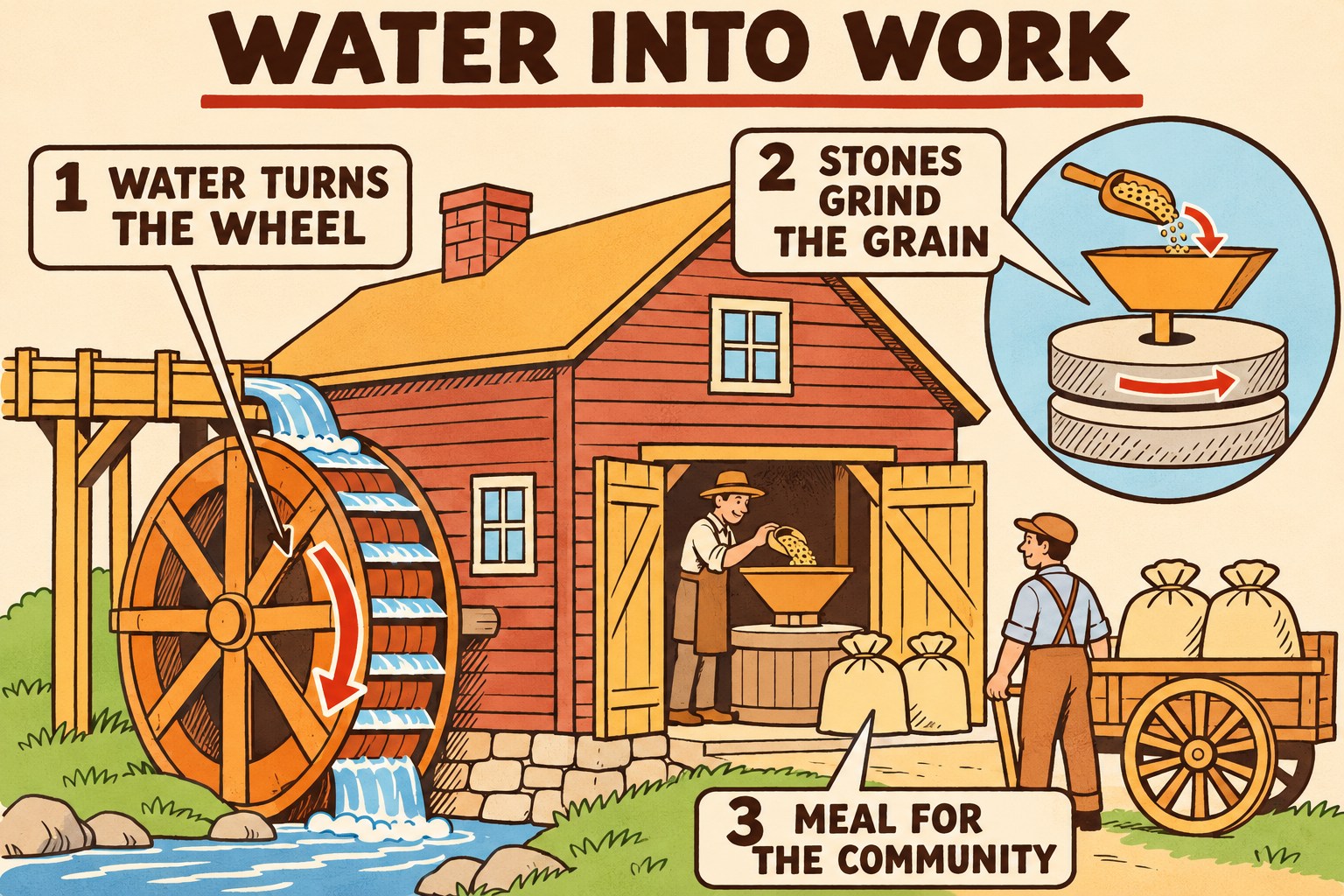 Educational cartoon
The mill at Pactolus
Follow the connection between a river, a mill, and the grain people needed to grind.
Explore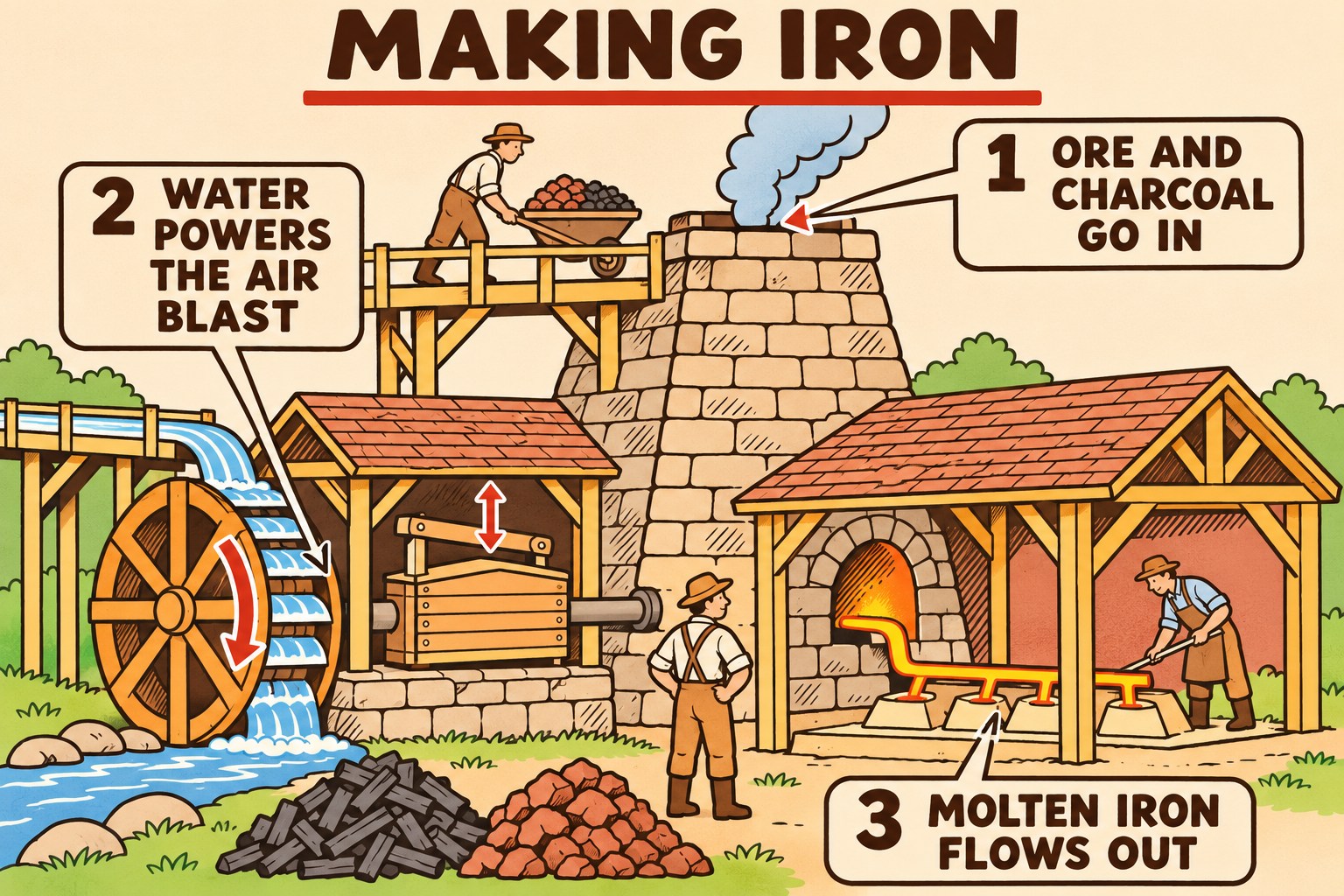 Educational cartoon
Argillite Furnace
Discover why water power and charcoal did different jobs in an early iron furnace.
Explore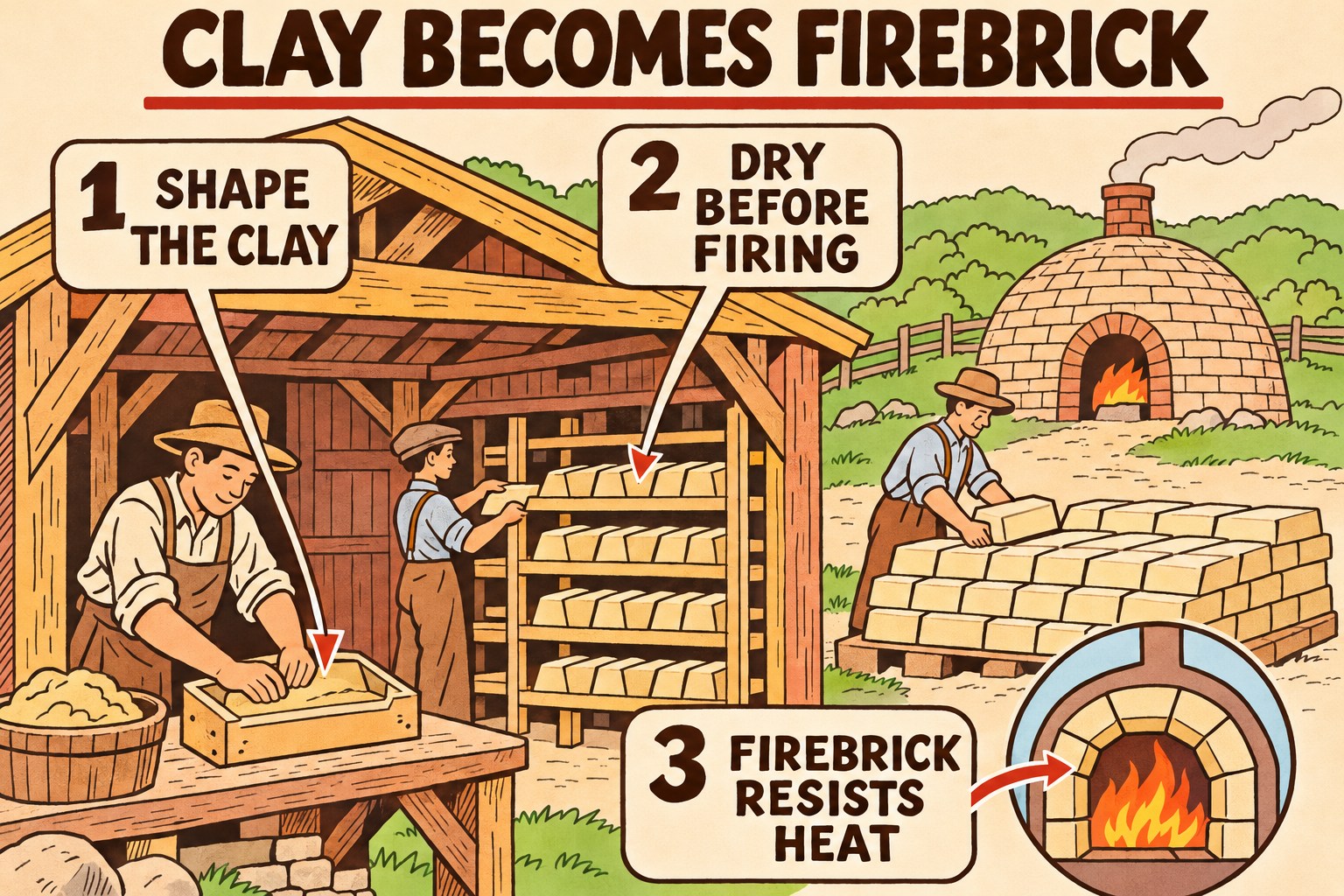 Educational cartoon
The brickyard at Grahn
Connect Louisville Fire Brick Works with the Carter County clay and community behind its products.
Explore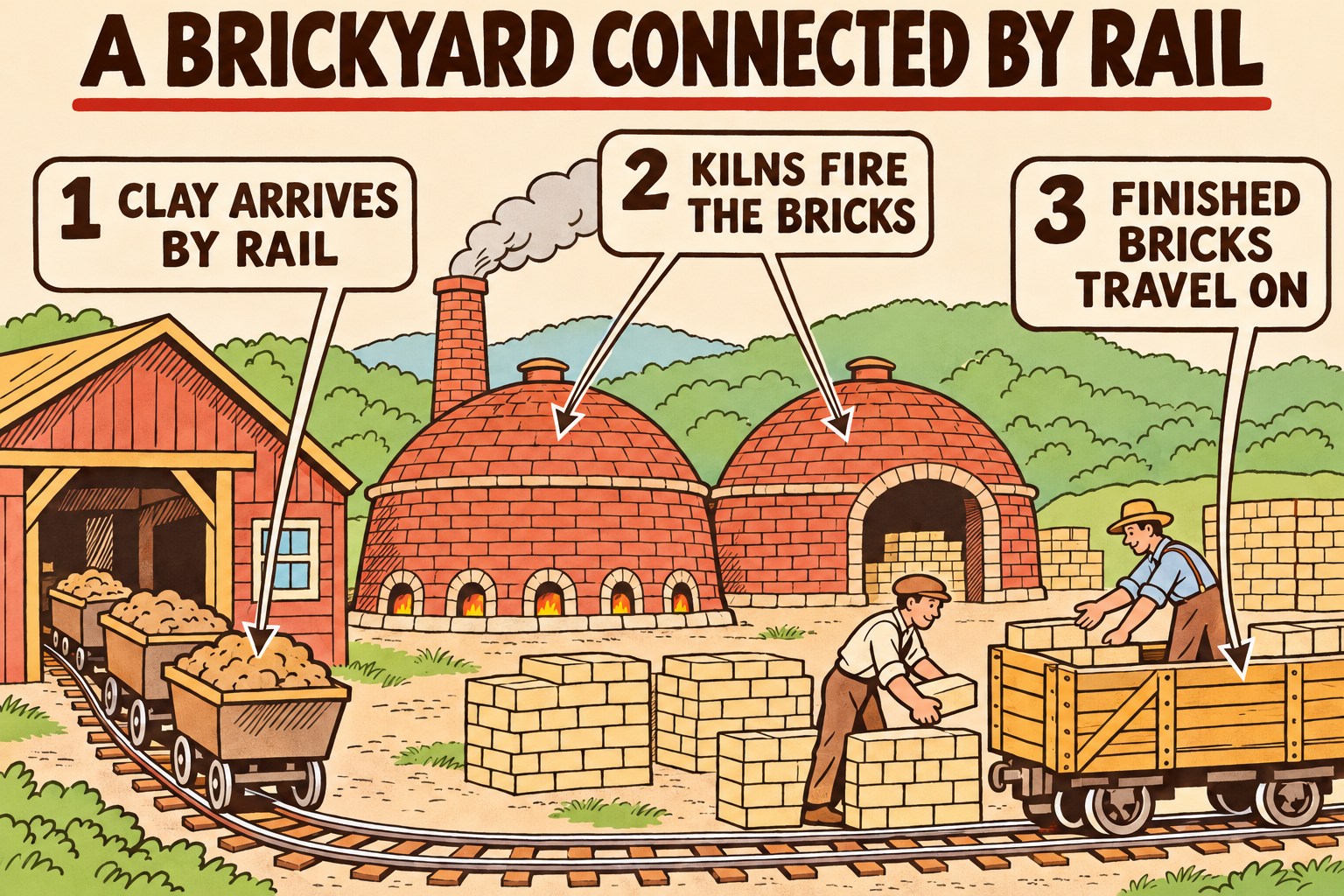 Educational cartoon
Olive Hill’s brickyards
Look at two plant dates and ask how clay, workers, and rail transportation connected a town to distant markets.
Explore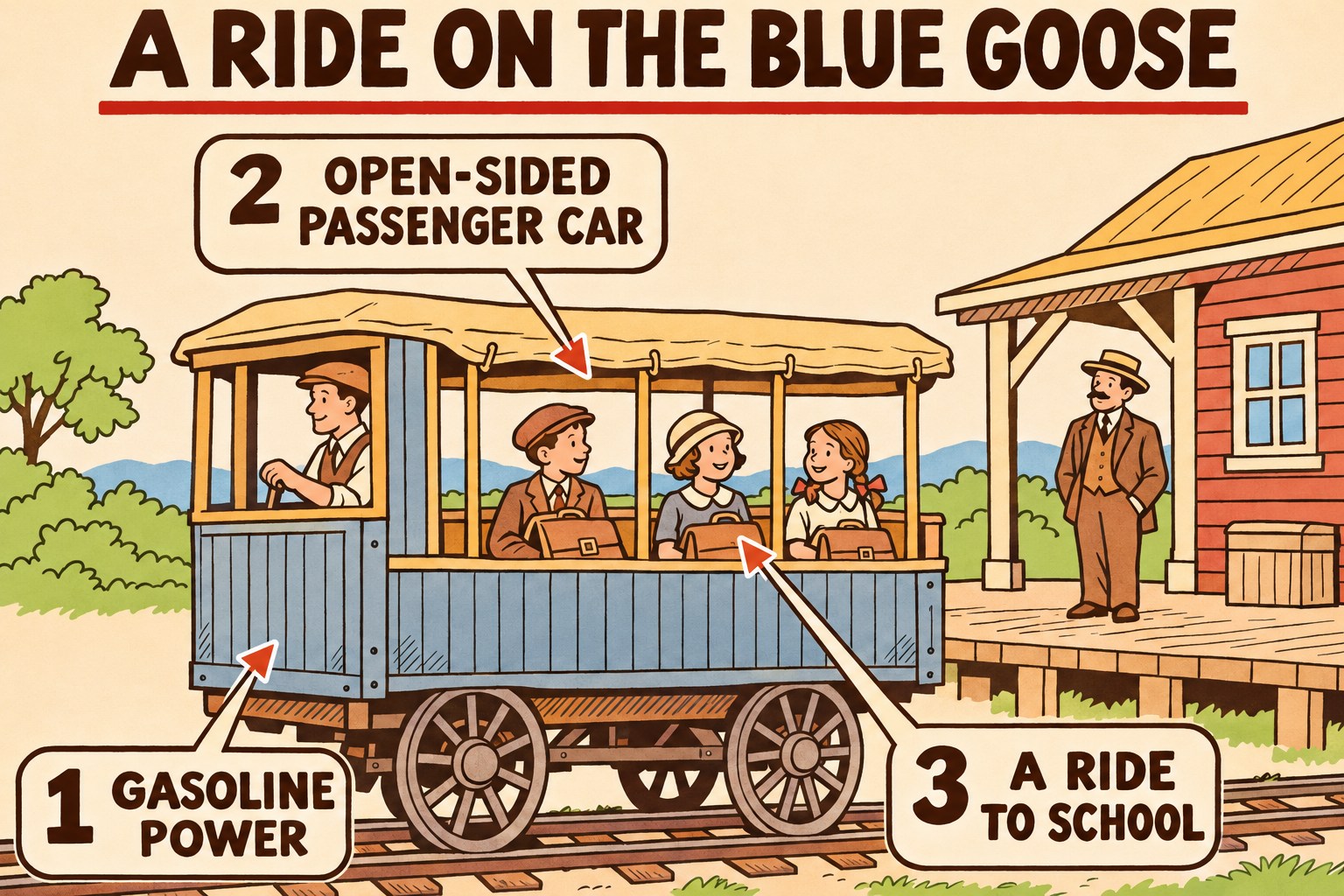 Educational cartoon
Grayson’s Blue Goose
Meet the gasoline-powered railcar that helped connect nearby communities and schoolchildren with Grayson.
Explore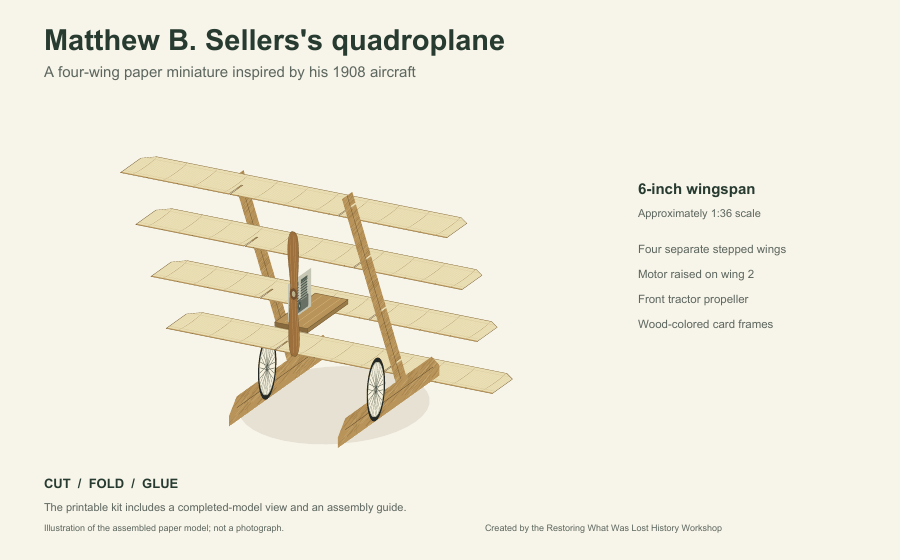
One inventor, changing machines
Matthew B. Sellers, Kentucky aviation, four wings, and the evidence for different propeller arrangements.
Explore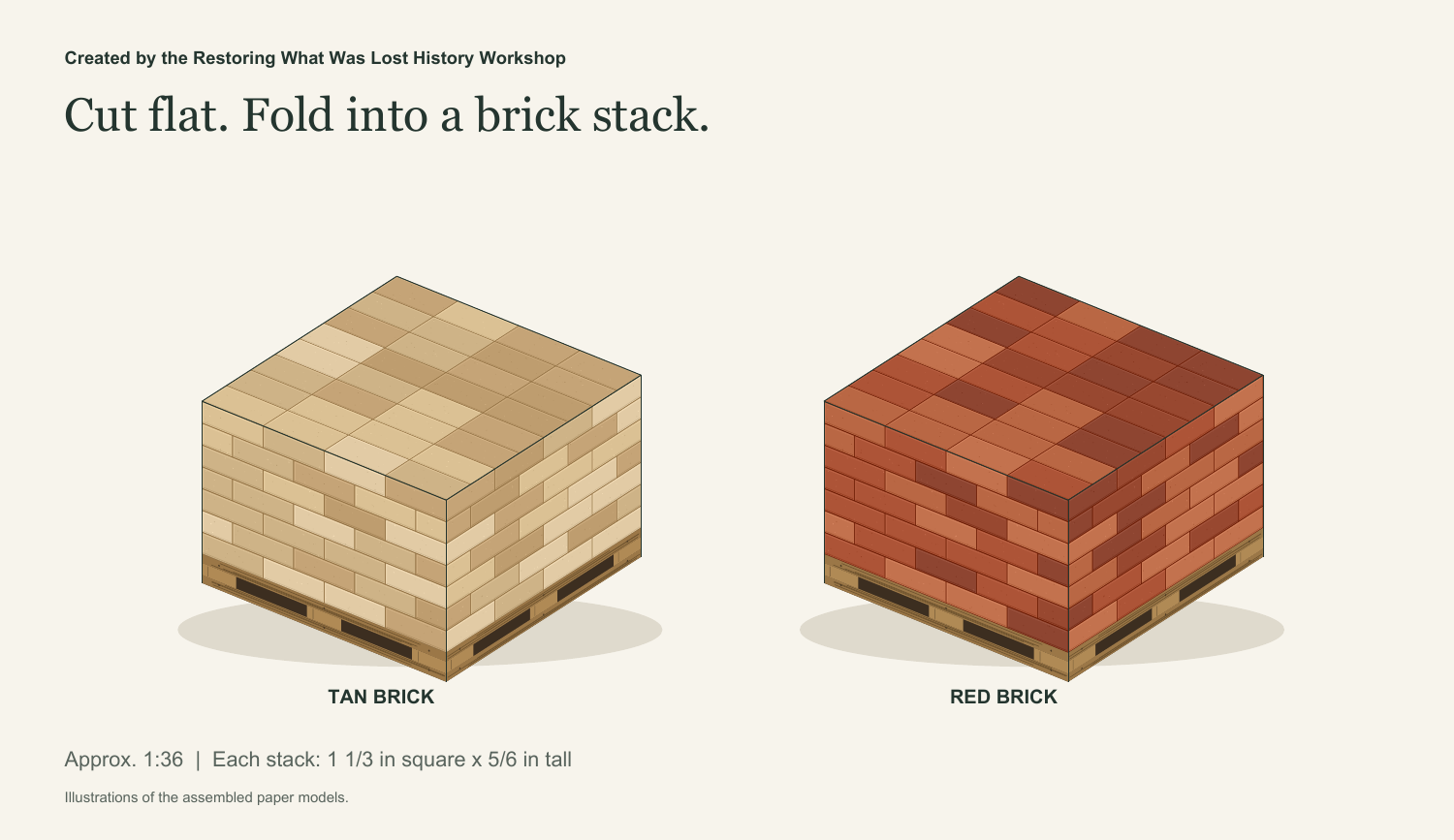
From clay to shipment
Explore forming, drying, firing, and shipping fire-clay bricks. Follow the work through an illustrative yard.
Explore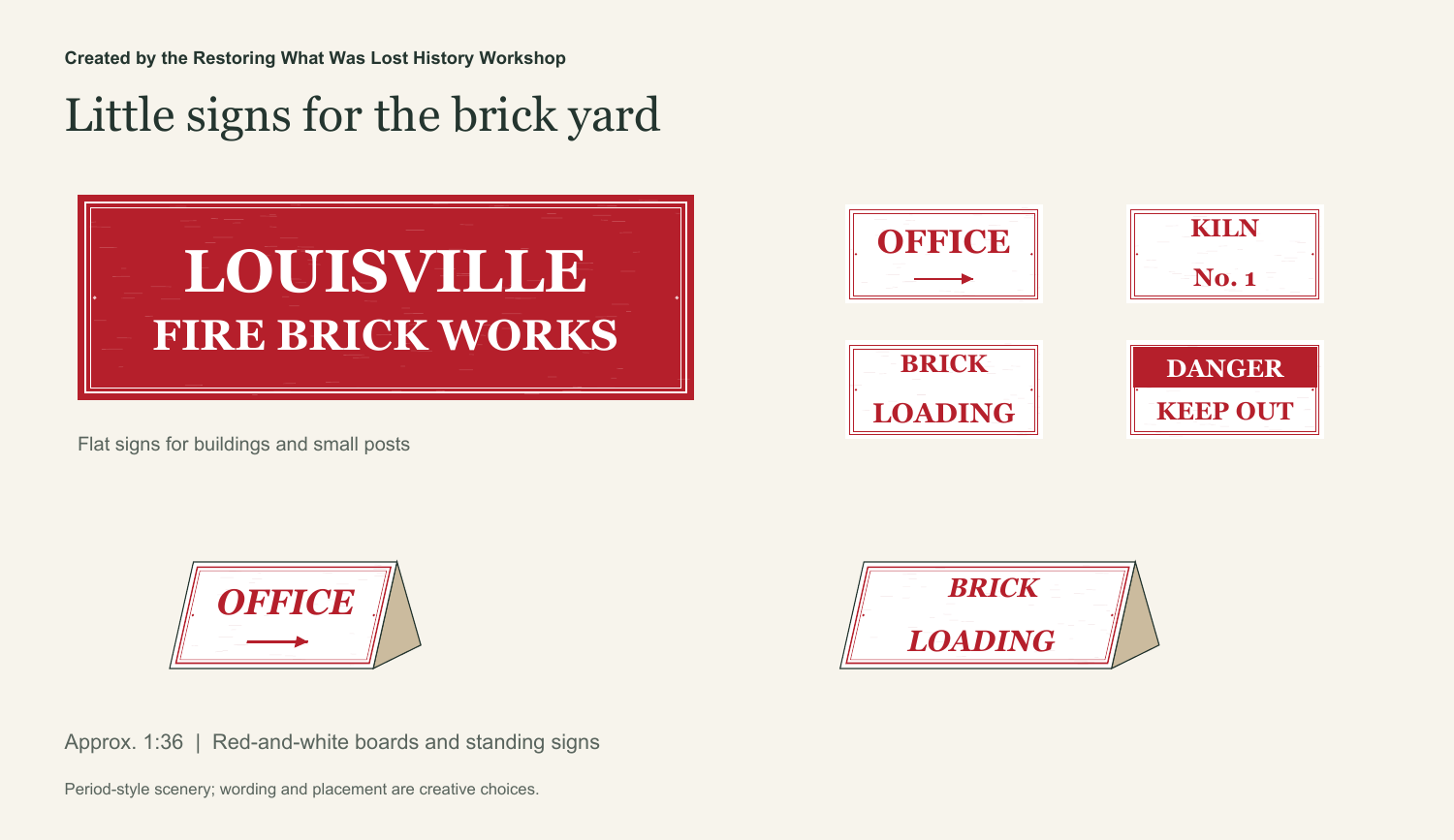
Karl Bernhard Grahn
A Kirk Memorial Baptist Church film about Grahn, Little Sinking Creek, industry, and community memory.
ExploreOne inventor.
Changing machines.
Matthew B. Sellers kept experimenting. A date matters when we describe an early aircraft: one photograph or model cannot represent every version.
A front propeller, documented
Flight's October 14, 1911 report describes a motor and tractor propeller on the second wing from the bottom. A tractor propeller pulls from the front. Our simplified paper model follows this arrangement.
Flight, October 14, 1911 · contemporary report, reproduced by an aviation archiveChoose a date after exploring the timeline.
From clay to shipment.
Tap a place in the yard to follow six steps. This is an illustrative learning layout and a simplified general process, not a measured plan or a claim about the exact methods of Louisville Fire Brick Works.
Prepare clay
Clay is prepared for shaping. Fire-clay brick uses material chosen for its ability to withstand heat.
Talk about it: Why might a furnace need a different kind of brick from a garden wall?
Historical reference: U.S. Bureau of Standards, Fire-clay brick, Circular 282 (1926), pp. 26–32. Brickmaking methods varied by material, place, and period.
Build a brick stack & try the scale lesson →Karl Bernhard Grahn
A film from Kirk Memorial Baptist Church about Grahn, Little Sinking Creek, the working brickyard, mines, and the families who shaped the community.
Watch with a question: What connects the work people did with the place they called home? Record one detail from the film and one question you would ask a longtime resident.
Visit Kirk Memorial Baptist ChurchTurn an observation into a lesson.
Our free teacher handouts pair a short lesson with a student worksheet and teacher notes. Designed for grades 4–8, with adaptations for families and younger learners.
Choose a teacher handoutCreated by the Restoring What Was Lost History Workshop