Mission and structure

Built from field work. Organized to outlast any one person.

Restoration needs more than effort. It needs permissions, records, governance, and people trained to carry the work forward.

Brandon LaVoie
People behind the work

Brandon LaVoie

Founder, Board President & Community Restoration Lead

Brandon connects the work of restoring a place with the work of remembering why it matters. His background spans property restoration through Pactolus & Sons, public history, documentary filmmaking, community advocacy, and conservation along the Little Sandy River.

As founder and board president of Restoring What Was Lost, he brings that experience into projects people can take part in and build upon. From fieldwork and films to Watershed Eye, he develops ways to document what has been overlooked, organize a response, and leave a record that helps the next person carry the work forward.
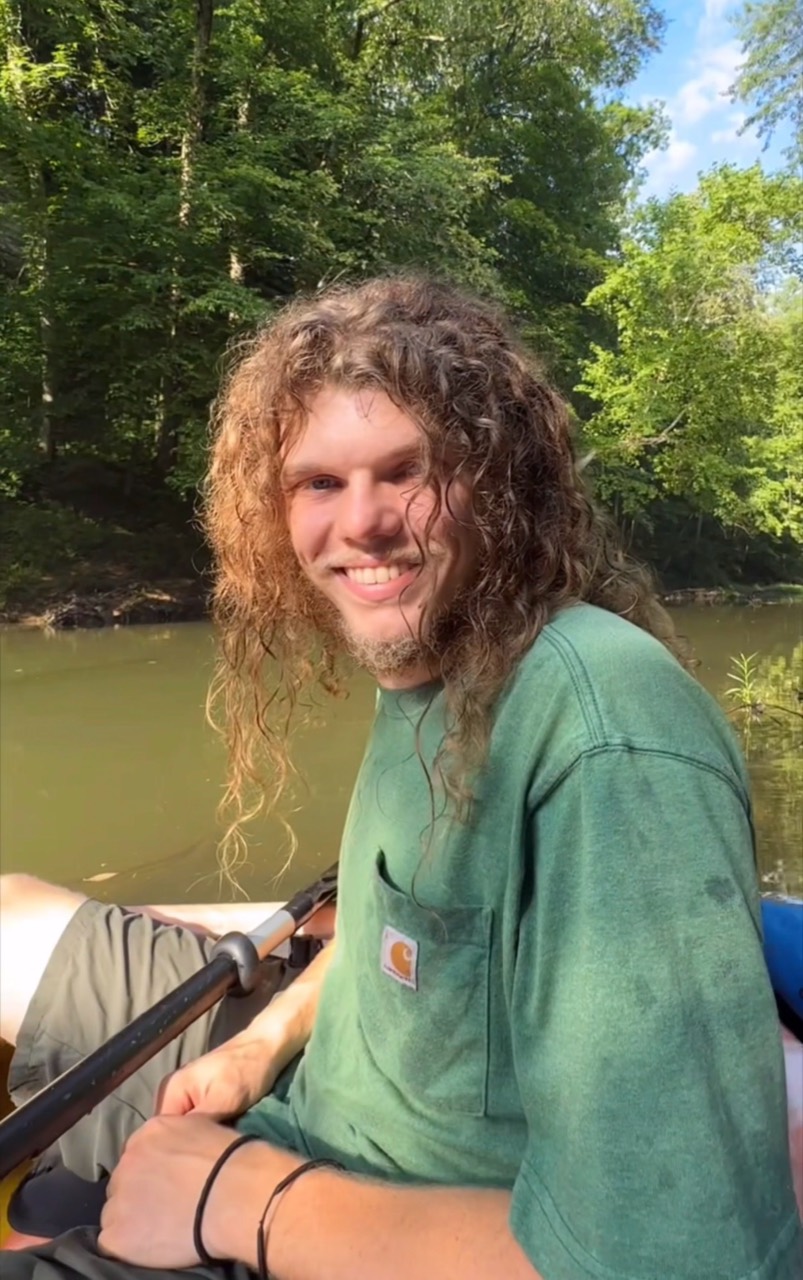

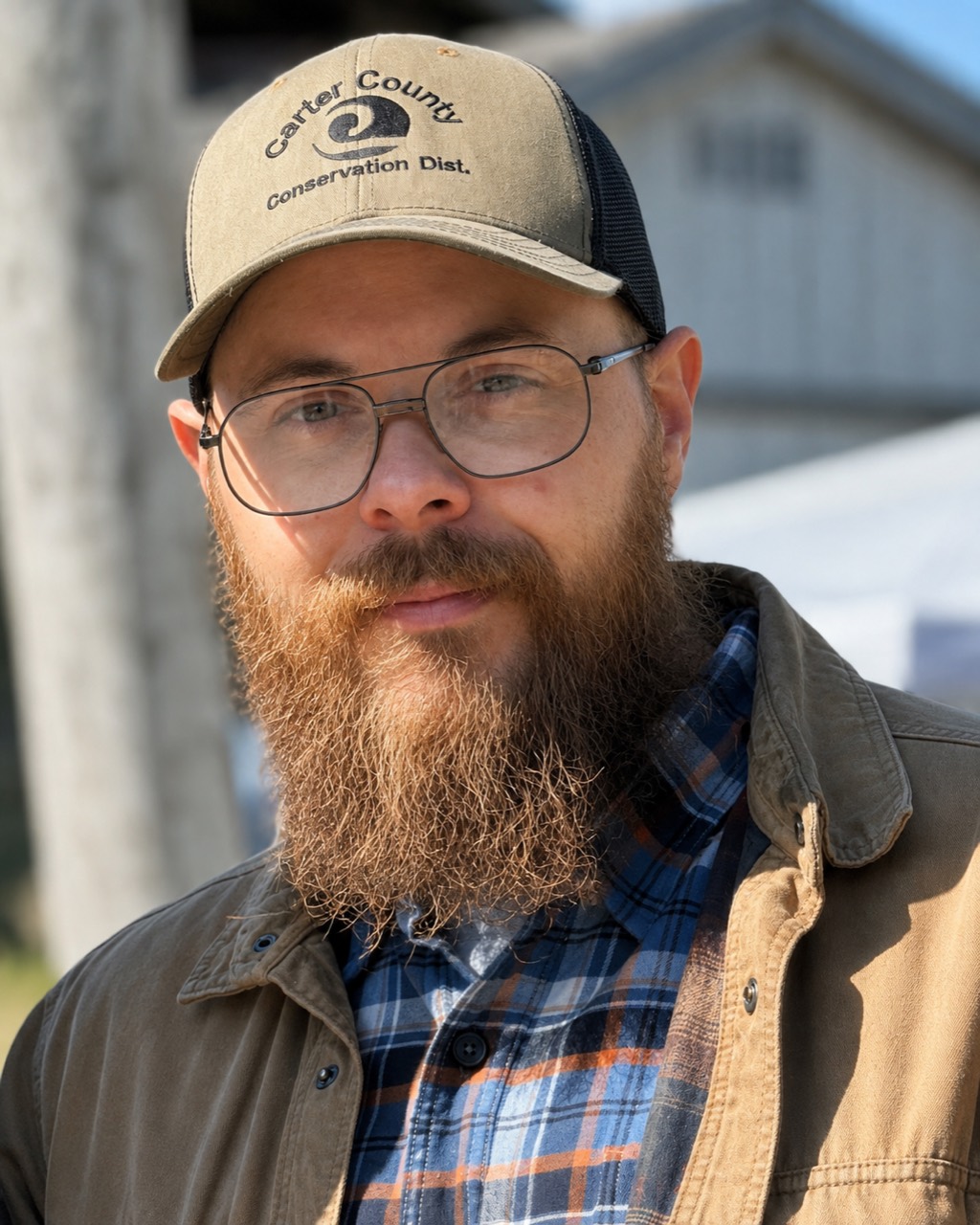
Xaver Marshall on the river

Xaver Marshall

Board Vice President & Field Operations Lead

Xaver leads the field projects that put Restoring What Was Lost’s mission into practice. Working under Brandon’s direction, he guides the team doing the hands-on work of restoration.

As Field Operations Lead, he connects project direction with action on the ground—bringing leadership into the work itself and helping the crew move each project forward. He also serves as Board Vice President, bringing a field perspective to the organization’s leadership.

Kayla Carroll

Kayla Carroll

Historian & Board Treasurer

Kayla brings historical depth to work that changes the future of a place. She holds a master’s degree in history from the University of Kentucky and conducts historical research for Restoring What Was Lost. Her work connects restoration with the people, events, and stories that shaped the places we care for.

As Board Treasurer, she also helps steward the organization’s resources, supporting the work of preserving both places and the history they hold.

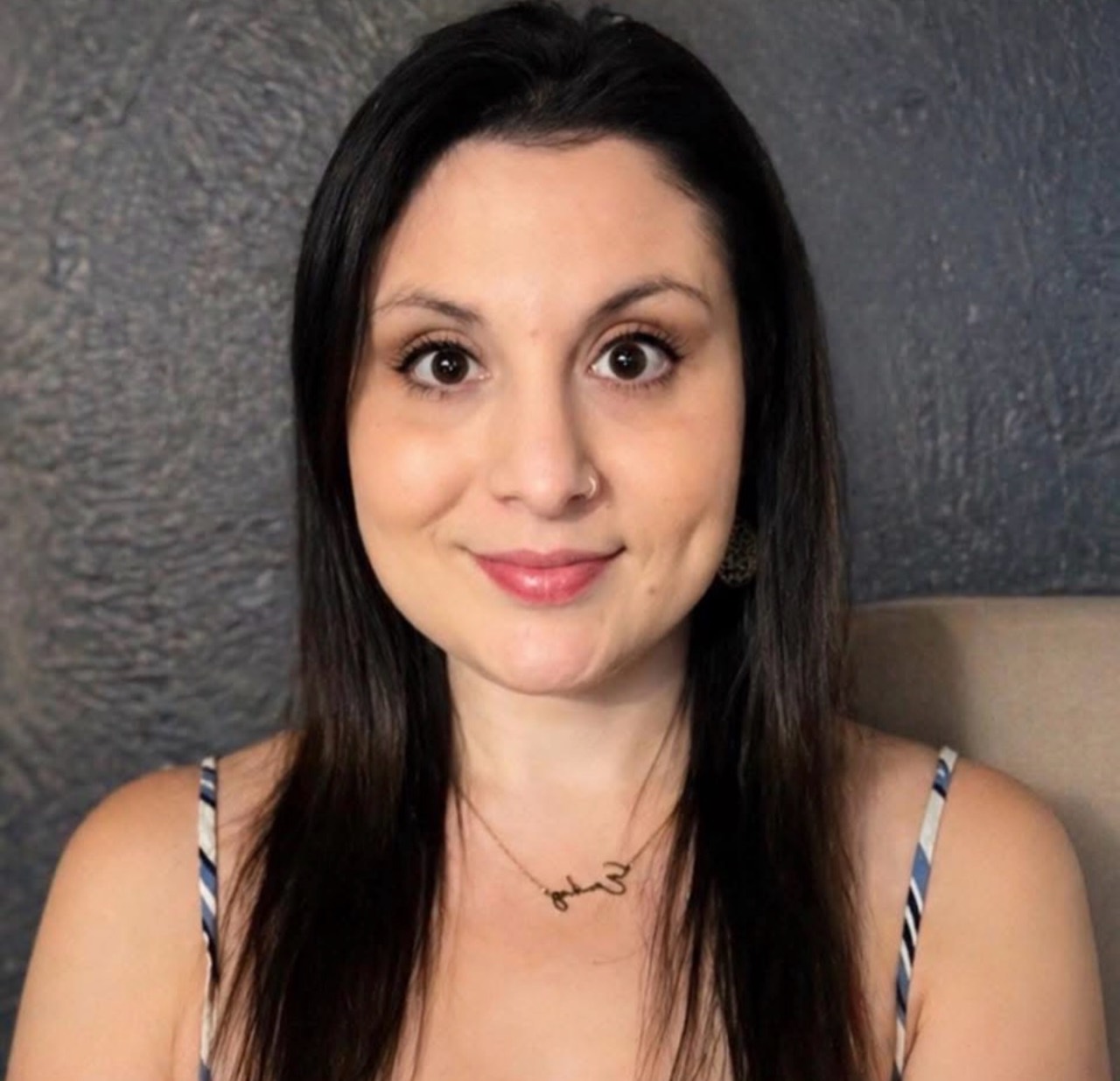
Emily LaVoie

Emily LaVoie

Social Impact Lead & Board Secretary

Emily brings the human side of restoration into focus. With a bachelor’s degree in sociology, she considers how changes to a property, a waterway, or a shared place affect the people whose lives are connected to it.

She covers social impact for Restoring What Was Lost and serves as Board Secretary. Her role helps keep the work connected to its purpose: stronger communities, a sense of belonging, and care that respects the people it is meant to serve.

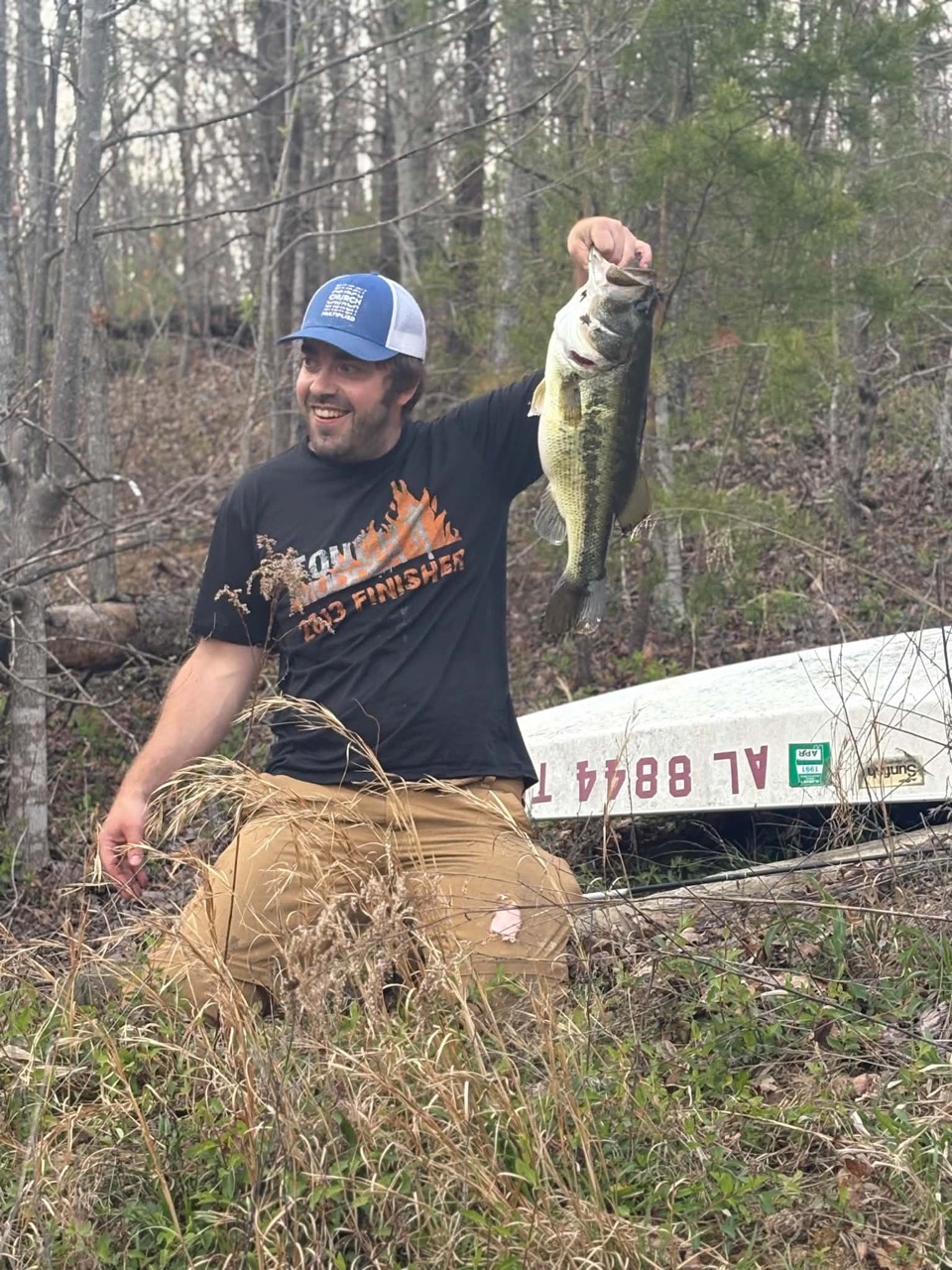
Nathan Carroll holding a fish outdoors

Nathan Carroll

Field Specialist & Board Member

Nathan brings hands-on experience in core sampling and field reporting to Restoring What Was Lost. His previous work with non-coal mining companies involved collecting samples and preparing reports that documented work on the ground.

As Field Specialist and a board member, he connects that background with the organization’s restoration mission. His experience adds a practical perspective to both project work and the decisions that guide it.

Mission

Return neglected places and knowledge to public use.

Restoring What Was Lost, Inc. organizes charitable, educational, and scientific work that restores neglected land and waters, strengthens rural households and communities, preserves local history and culture, and teaches practical stewardship through field work, research, media, and public programs.

Vision

Rural communities where neglected land, damaged waterways, forgotten buildings, and disappearing local knowledge are met with organized care instead of resignation.

Why we began

The visible problem was rarely the whole problem.

Family-run property restoration work repeatedly uncovered needs that ordinary commercial work could not carry: elderly or disabled owners without enough labor, public waterways with no single customer, neglected historical evidence, and cleanup requiring many organizations to cooperate.

A serious health crisis also made one fact unavoidable: public restoration could not depend on one person’s physical strength. The field had already revealed the mission. The turning point forced the mission to become a durable system.

Pactolus & Sons LLC remains the family business. Restoring What Was Lost, Inc. holds charitable and public-benefit work under separate governance, accounting, and mission criteria.

Operating principles

The rules that protect the mission

Restoration before replacement

Ask what can be made safe, useful, visible, or remembered again.

Dignity in direct service

People receiving help are partners, not material for pity or promotion.

Evidence before assumptions

Photos, maps, permissions, and field notes guide decisions.

Public benefit first

Projects advance charitable purposes rather than private business interests.

Education through work

Every appropriate project should leave knowledge or a reusable method.

Continuity by design

Records, procedures, partnerships, and trained people are deliverables.

Governance

Responsibility must be visible.

The corporation is designed for board oversight, conflict review, separate financial records, documented related-party decisions, regular reporting, and written project standards. Contact us with questions about leadership or how a proposed project, gift, or partnership fits the mission.

Current legal status

Formed as a Kentucky nonprofit corporation in July 2026, Restoring What Was Lost, Inc. has received its federal Employer Identification Number (EIN). Federal tax-exempt recognition is not yet complete. Contact us for current information before making a contribution.